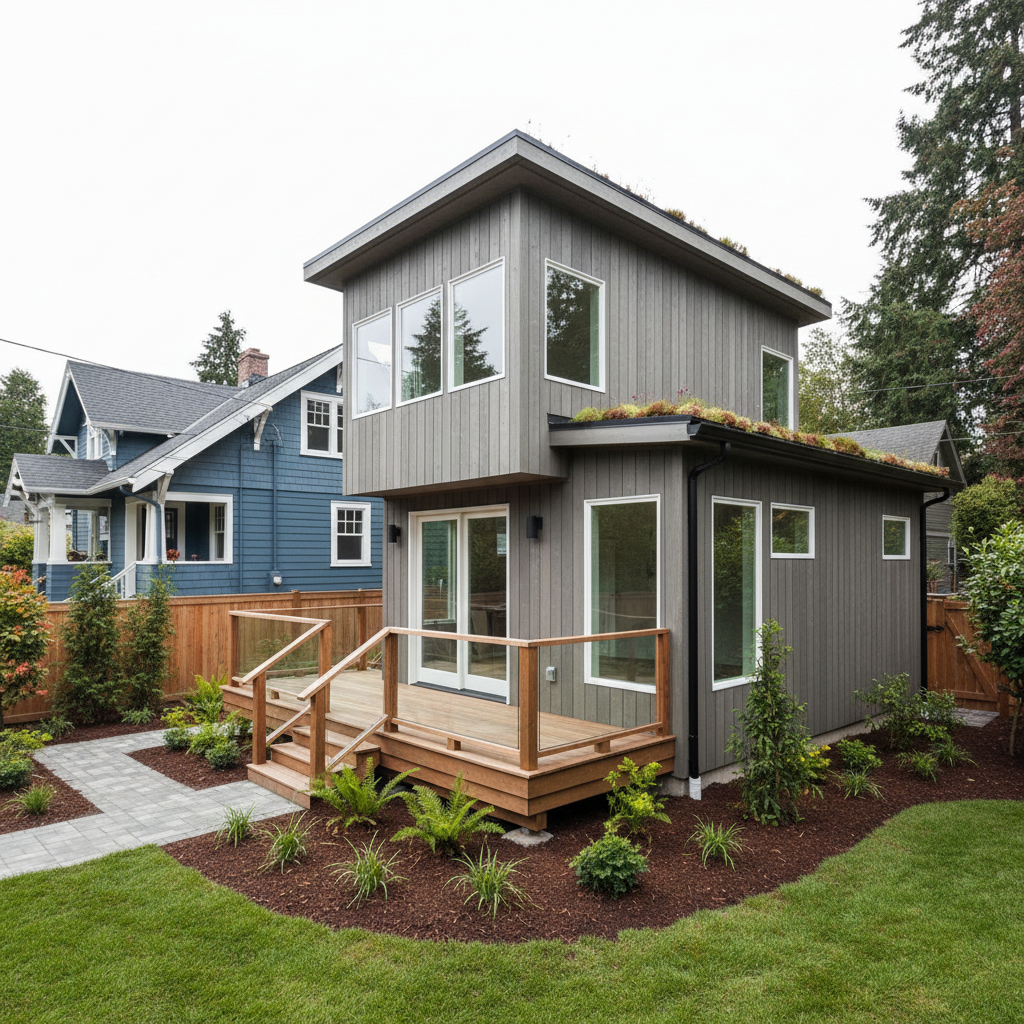
Building an Accessory Dwelling Unit (ADU) in Seattle is a smart move for a lot of homeowners. You get extra income, a place for family, or just more space. But I've seen too many folks make some really common, and often expensive, mistakes when it comes to the engineering side of things. It's not just about the pretty pictures; the bones of the project, the engineering, that's where things can go sideways fast if you're not careful.
Underestimating Site-Specific Challenges
This is probably the biggest one I see. Seattle isn't flat, and our soil conditions can be tricky. You might have a perfectly level lot in Ballard, but head over to West Seattle or Queen Anne, and you're dealing with slopes, potential landslides, and varying soil types that demand serious attention. I've had clients come to me with plans drawn up for a flat lot, only to find out their actual property needs extensive retaining walls or a much deeper foundation than they budgeted for. This isn't something you can just 'figure out later.' A good engineer will do their due diligence upfront, including soil tests (geotechnical reports) if needed, to understand what they're building on. If your engineer isn't asking about your specific site, its history, and suggesting these tests, that's a red flag. You'll end up with change orders and delays that could've been avoided.
Skimping on Structural Engineering Expertise
Look, I get it. Budgets are tight. But trying to save a few bucks by going with the cheapest structural engineer you can find, or worse, an architect who 'does a little engineering on the side,' is a recipe for disaster. ADUs, even small ones, are complex structures. They need to meet strict building codes, withstand our Pacific Northwest weather (think heavy rains and wind loads), and sometimes even seismic requirements. A skilled, experienced structural engineer isn't just stamping drawings; they're designing the skeleton of your building to be safe, durable, and efficient. They're thinking about things like proper load paths, foundation design for your specific soil, and how the new structure integrates with existing utilities. If they're not asking detailed questions about your existing home (if it's an attached ADU) or the proposed materials, you might be getting a generic plan that won't actually work for your project.
Ignoring Utility Connections and Infrastructure
People often focus so much on the ADU structure itself that they forget about what makes it livable: water, sewer, power, and gas. Connecting these utilities can be a significant engineering challenge, especially for detached ADUs. Is there enough capacity in your existing service? Can you connect to the city sewer or will you need a pump? What about stormwater drainage? Seattle has specific requirements for stormwater management, and you can't just let water run wherever it wants. An engineer needs to assess these connections early on. I've seen projects stall for months because the homeowner or a less experienced contractor didn't properly plan for utility upgrades or tie-ins, leading to unexpected trenching, street cuts, or even needing to upgrade the main electrical panel for the entire property. It's not just about getting a pipe from A to B; it's about ensuring the whole system works efficiently and meets code.
Not Planning for Future Needs or Flexibility
This isn't strictly an engineering mistake, but it's one that good engineers can help you avoid. Think long-term. Is this ADU for a parent now, but maybe a rental later? Or perhaps you'll want to add a deck or a solar array down the line? A smart engineer can design with future flexibility in mind. This might mean over-sizing a beam slightly, planning for easier wall modifications, or ensuring the foundation can handle a future second story if zoning allows. It's about building in resilience. It costs a little more upfront, sure, but it saves you a ton of money and headaches if your needs change. We at Seattle ADU Solutions always encourage clients to think a few steps ahead; it's just good planning.
Poor Communication Between Engineer, Architect, and Contractor
This one's critical. Your ADU project is a team effort. The engineer, architect, and your general contractor (like us!) need to be on the same page, communicating clearly and regularly. If your engineer is working in a silo, or if the architect's vision isn't structurally feasible, you're going to have problems. I've seen architects draw up beautiful designs that are incredibly difficult or expensive to build because the structural engineer wasn't consulted early enough. Or, the engineer's plans are so conservative they add unnecessary costs. A good contractor acts as the hub, making sure everyone's talking and that the plans are buildable and cost-effective. If you feel like your team isn't collaborating, that's a warning sign. You want a cohesive plan where everyone understands their part and the bigger picture.
Ultimately, investing in solid engineering for your ADU isn't an expense; it's an insurance policy. It ensures your project is safe, compliant, and won't hit you with unexpected costs down the road. Do your homework, ask tough questions, and make sure you've got experienced professionals on your side who understand Seattle's unique challenges.