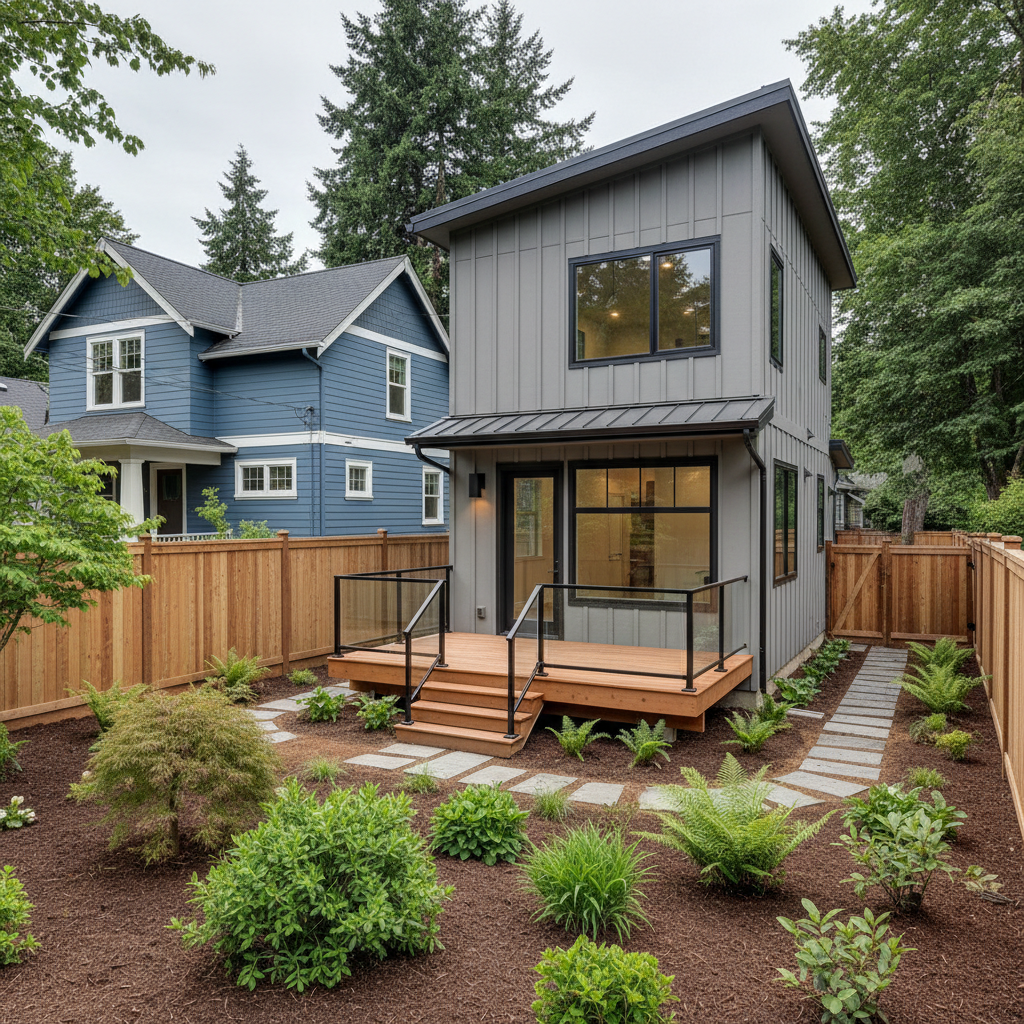
Alright, you've decided to build an ADU. Smart move. Whether it's for family, rental income, or just extra space, an ADU is a solid investment here in Seattle. But finding the right contractor? That's where a lot of folks get tripped up. There are plenty of good builders out there, but there are also some who'll cut corners, overcharge, or just plain disappear. I've seen it all, and I don't want you to be another one of those stories.
So, let's talk about how to hire smart. This isn't about fancy sales pitches; it's about practical steps to protect your investment and get the job done right.
What to Ask Potential ADU Contractors
When you're sitting down with a contractor, you're interviewing them. Don't forget that. You're not just getting a price; you're assessing their expertise, their process, and if you can actually work with them for several months. Here are the questions I'd be asking:
- “How many ADUs have you actually built in Seattle?” This is crucial. Building an ADU isn't like adding a deck. There are specific city codes, permitting processes, and site challenges unique to these projects. Someone who mostly does kitchen remodels might not be the best fit.
- “Can you walk me through your typical ADU project timeline, from permit to completion?” A good contractor will have a clear, realistic idea of the steps and how long each takes. They should be able to explain the permitting process with the Seattle Department of Construction & Inspections (SDCI) – it’s not always straightforward.
- “What's your approach to managing unexpected issues, like discovering old pipes or unexpected soil conditions?” Especially in older Seattle neighborhoods like Ballard or West Seattle, you're bound to hit something unforeseen. You want to know they have a plan for handling surprises without grinding the project to a halt or nickel-and-diming you for every little thing.
- “Who will be my primary point of contact, and how often will we communicate?” You need one person you can call, not a rotating cast. Regular updates are key.
- “Can I speak with a few of your recent ADU clients?” A reputable contractor will be happy to provide references. Make sure you actually call them and ask about their experience.
Decoding the Quote: What to Look For
Don't just look at the bottom line. A cheap quote often means hidden costs or low-quality work. A good quote should be detailed and transparent. Here’s what I focus on:
- Line-Item Breakdown: Does it clearly separate costs for demolition, foundation, framing, plumbing, electrical, roofing, finishes, permits, and so on? If it's just one big number, that's a red flag. You need to see where your money is going.
- Allowances vs. Fixed Costs: Understand what's an allowance (like for fixtures or flooring, where you pick it out later) and what's a fixed cost. Allowances should be realistic. If they're too low, you'll blow past them quickly.
- Payment Schedule: This should be clear and tied to project milestones, not just arbitrary dates. A small upfront deposit is normal, but avoid anyone asking for a huge percentage before work even starts.
- Change Order Process: How do they handle changes you request or unforeseen issues? A clear process prevents disputes later.
- Inclusions and Exclusions: What's specifically included? What's not? Are they handling all the permitting and inspections, or is that on you? Make sure everything is spelled out.
Red Flags: When to Walk Away
Trust your gut, but also look for these concrete warning signs:
- No License or Insurance: Non-negotiable. Verify both.
- High-Pressure Sales Tactics: “Sign today for a discount!” or pushing you into decisions. Good contractors are busy; they don't need to pressure you.
- Unwillingness to Provide References or Portfolio: If they're hiding their past work, there's a reason.
- Demanding Full Payment Upfront or Large Cash Deposits: This is a massive risk for you.
- Vague or Incomplete Contracts/Quotes: If they can't put it clearly on paper, they probably won't build it clearly either.
- Promises that Sound Too Good to Be True: Like finishing an ADU in two months flat, or a price significantly lower than everyone else. It usually is too good to be true.
Verifying Legitimacy
Before you sign anything, do your homework. It takes a little time, but it's worth every minute.
- Check Their License: Go to the Washington State Department of Labor & Industries (L&I) website. You can look up their contractor license number and see if it's active and if there are any disciplinary actions or outstanding claims against them. This is your first and most important step.
- Verify Insurance: Ask for a Certificate of Insurance directly from their insurance company, not just a copy from the contractor. This confirms they have general liability and workers' compensation. You don't want to be liable if someone gets hurt on your property.
- Online Reviews: Check Google, Yelp, and industry-specific sites. Look for patterns, not just one bad review. How do they respond to criticism?
- Portfolio & References: As I mentioned, actually call those references. Ask about communication, project management, budget adherence, and quality of work.
- Physical Address: Do they have a real office, or is it just a P.O. box? A local presence matters. We're Seattle ADU Solutions; we're right here in the community.
Building an ADU is a big project, and you want to partner with someone who's professional, transparent, and skilled. Do your due diligence, ask the tough questions, and don't settle for less. You'll be glad you did when you're enjoying your new space.