What's the absolute first thing I should think about when designing an ADU?
Before you even sketch a floor plan, you need to think about why you want an ADU. Is it for aging parents? A rental income stream? A home office? Guest space? The 'why' dictates everything else. If it's for an elderly relative, accessibility (no stairs, wider doorways) becomes paramount. If it's a rental, you might prioritize a separate entrance and durable finishes. Don't just jump to square footage; consider the primary purpose first. It'll save you a ton of headaches and redesigns later.
How much space do I really need for a functional ADU?
This is a big one. Seattle's ADU rules allow up to 1,000 square feet, but that doesn't mean you need all of it. I've seen fantastic, highly functional ADUs that are only 400-500 square feet. It really comes down to clever design and efficient use of space. Think about built-ins, multi-functional furniture, and open-concept layouts. A smaller footprint often means lower construction costs, too, which is a big deal. You can get a full kitchen, bathroom, and a decent living/sleeping area in a surprisingly small space if it's designed right. Don't fall into the trap of thinking bigger is always better; sometimes, it's just more expensive and harder to heat.
What are the biggest design challenges specific to Seattle properties?
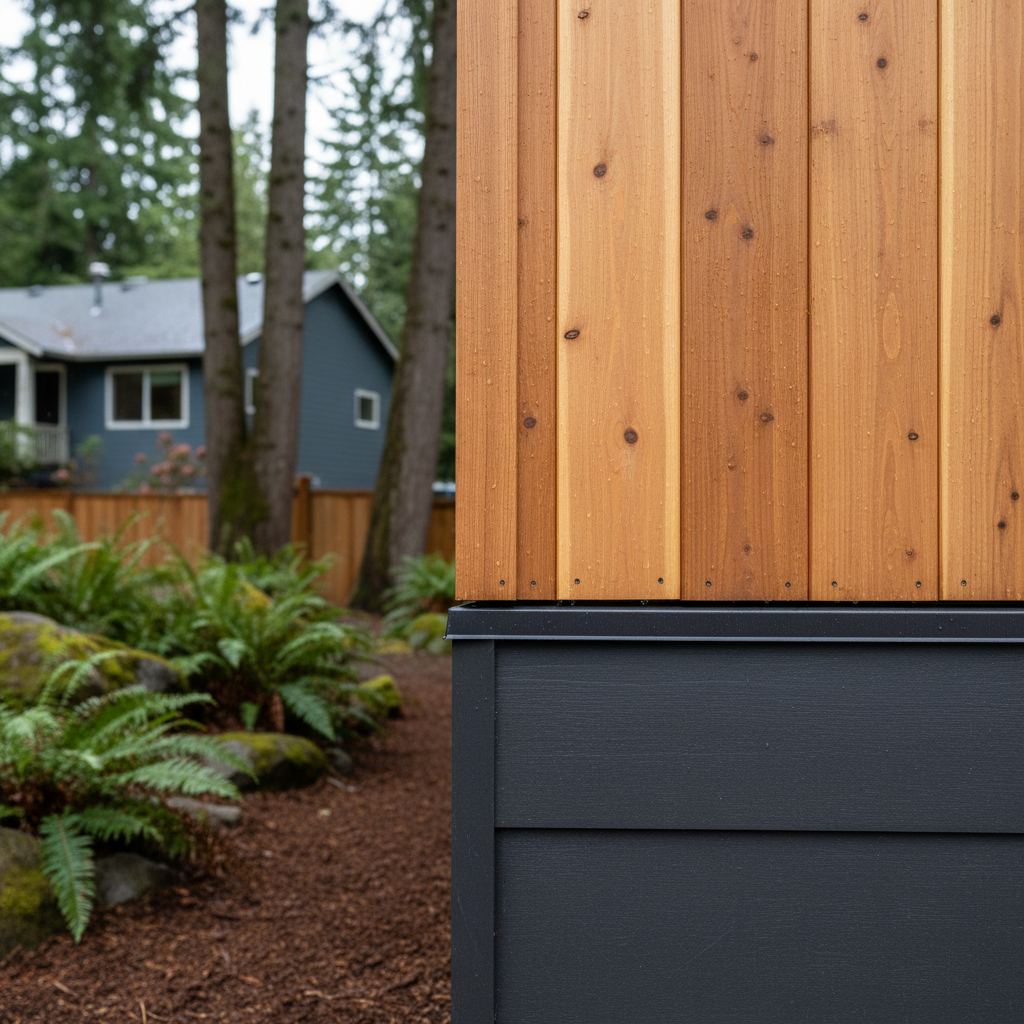
Oh, we've got a few. First off, those narrow lots in neighborhoods like Ballard or West Seattle can make siting an ADU tricky, especially if you're trying to maintain yard space or deal with setbacks. Then there's the topography – Seattle isn't flat! Sloping lots, particularly in places like Queen Anne or Capitol Hill, mean you might need to factor in retaining walls or a foundation design that steps with the grade, which adds complexity and cost. And let's not forget our lovely, wet weather. Design needs to account for proper drainage, durable exterior materials, and ample natural light, even on those gray winter days. You want a design that feels bright and airy, not like a dungeon.
Should I try to match my main house or go for something completely different?
This is mostly a personal preference, but I'll tell you what I've seen work well. A lot of folks like to match the exterior materials and general style of the main house. It creates a cohesive look and often helps with property value. If your main house is a Craftsman, a modern boxy ADU might look a bit out of place. That said, a complementary design can also be stunning. Maybe you use similar colors but a slightly more contemporary form. The key is 'complementary,' not necessarily 'identical.' You don't want it to look like an afterthought, but it doesn't have to be a clone either. A good designer can blend styles beautifully.
How important is natural light and ventilation in an ADU design?
Extremely important, especially here in Seattle. We get plenty of cloudy days, so maximizing natural light makes a huge difference in how a small space feels. Think about larger windows, strategically placed skylights, and even light tubes. For ventilation, cross-ventilation is ideal – windows on opposite sides of the unit. This helps with air quality, prevents mold (a real concern in our climate!), and keeps the space comfortable without relying solely on mechanical systems. Good design incorporates passive strategies like these to create a healthier, more pleasant living environment. It's not just about aesthetics; it's about comfort and well-being.
What kind of roof is best for an ADU in Seattle?
You've got options, and each has its pros and cons. A flat roof or low-slope roof is popular for modern ADUs because it allows for rooftop decks (if your zoning allows) or green roofs, which are great for stormwater management and insulation. Pitched roofs, like gables or hips, can match existing homes and offer attic storage. Material-wise, metal roofs are durable and long-lasting, great for our rain. Asphalt shingles are common and cost-effective. Consider the long-term maintenance, especially with our moss-friendly climate. A good roof isn't just about keeping the rain out; it's part of the overall aesthetic and energy efficiency of the unit. We work with clients at Seattle ADU Solutions to pick the right fit for their specific needs and budget.
Can I include outdoor space in my ADU design?
Absolutely, and I highly recommend it! Even a small patio, a tiny deck, or a dedicated garden bed can significantly enhance the livability of an ADU. It extends the living space, provides a connection to nature, and gives residents a place to relax outdoors. Think about how to integrate it seamlessly with the interior. Sliding glass doors can blur the line between inside and out. If you're on a sloping lot, a small terraced area can be fantastic. Even a small balcony can make a big difference. Don't just think about the building itself; think about the entire site and how the ADU interacts with its surroundings.