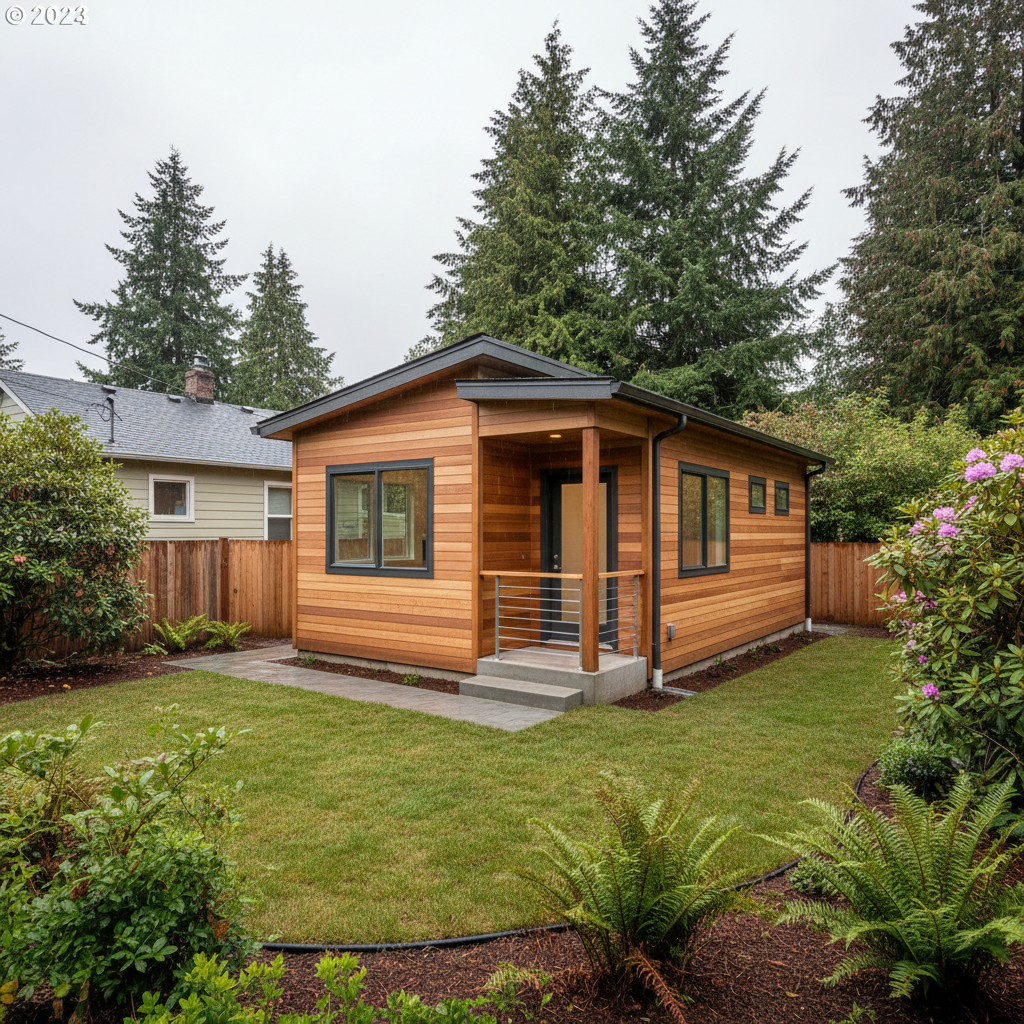
Detached ADU Costs in Seattle: Let's Get Real
Alright, so you're thinking about putting a detached Accessory Dwelling Unit (ADU) in your Seattle backyard. Smart move, I'd say, whether it's for family, some extra rental income, or just a bit more space. But let's be honest, the first thing on everyone's mind is always, "How much is this actually going to set me back?"
You'll find a lot of vague answers out there, but I'm going to give you the straight scoop. Building a detached ADU here in Seattle isn't cheap, no, but it's a really solid investment if you do it right. Based on what we've seen at Seattle ADU Solutions, you're generally looking at anywhere from $250,000 to $450,000+ for a good, fully permitted, and finished detached ADU. Yeah, that's a pretty big range, I know. Let's dig into why.
What Makes the Price Go Up or Down?
A lot of things play into the final cost. It's not just the square footage, though that's a big one, of course. Think of it like building a custom home, just scaled down. Every ADU project is unique, and these are the main reasons costs can swing wildly:
- Size and Layout: This one's pretty obvious. A 500 sq ft studio will cost less than an 800 sq ft unit with two bedrooms. More walls, more plumbing, more electrical lines – it all adds up.
- Site Conditions: This is a huge factor, especially around here. If you've got a flat, easy-to-get-to lot in, say, Ballard, that's one thing. But if your property sits on a steep slope in West Seattle, or you've got a bunch of mature trees that need protecting or cutting down, or you hit bedrock during excavation, your site prep costs can just explode. Seriously, I've seen excavation costs jump by tens of thousands because of unexpected soil issues or rock.
- Utility Connections: Are you hooking into existing sewer, water, and electrical lines that are right there? Or do we need to trench 100 feet across your yard and upgrade your main electrical panel? Extending utilities is often one of those costs people totally underestimate.
- Finishes and Fixtures: Here's where you have a lot of say. Laminate flooring and standard cabinets are one price; hardwood, custom millwork, and high-end appliances are a whole different ballgame. You can save a ton here if you're willing to be practical.
- Foundation Type: A simple slab-on-grade foundation is usually the cheapest. If your site needs a crawl space or, even worse, a full basement or retaining walls because of a slope, that's a big jump in cost.
- Design Complexity: A basic rectangular box is cheaper to build than something with multiple bump-outs, complicated rooflines, or lots of custom architectural bits.
- Permitting and Fees: Seattle's permitting process is neither cheap nor quick. You'll pay fees for permits, impact fees, plan review, and sometimes even an archaeological review, depending on your property's history. These can easily run into the tens of thousands before you even start digging.
What's Usually in a Quote?
When you get a detailed quote from a good builder like us, it should cover everything from start to finish. You shouldn't be hit with hidden costs later on. Here's what you should expect to see:
- Design & Engineering: Architectural drawings, structural engineering, energy calculations, and maybe civil engineering if your site is a bit tricky.
- Permitting: All the fees involved in getting your project approved by the City of Seattle.
- Site Work: Tearing down any existing structures, excavation, grading the land, and putting in the foundation.
- Utility Connections: Digging trenches and hooking up to the existing water, sewer, electrical, and gas lines.
- Framing & Exterior: All the structural framing, roofing, siding, windows, and outside doors.
- Interior Finishes: Insulation, drywall, painting, flooring, cabinets, countertops, and all the inside doors and trim.
- Plumbing & Electrical: All the rough-in and finish plumbing (fixtures, water heater), and the complete electrical system (panel, wiring, outlets, lighting).
- HVAC: The heating and cooling system (often a mini-split heat pump system for efficiency, you know?).
- Final Touches: Cleanup, some basic landscaping right around the ADU, and those final inspections.
A good quote will be really clear about these line items. If it's just one big number, well, be a little suspicious.
How to Keep Your ADU Budget in Check
Nobody wants to just throw money away. Here's how you can keep your detached ADU project on budget:
- Be Realistic About Your Budget: Don't start fantasizing about a luxury build if your budget is at the lower end of the spectrum. Know what you can afford and stick to it.
- Simplify Your Design: The more complex your design, the more it'll cost. A simpler footprint, a standard roof pitch, and fewer corners will save you money on both materials and labor.
- Choose Standard Finishes: High-end appliances and custom tile work look great, but they add up fast. There are plenty of attractive, durable, and affordable options out there, believe me.
- Get Multiple Bids (But Compare Apples to Apples): Don't just pick the cheapest bid. Make sure every contractor is quoting the exact same work. A super low bid often means they've left things out or plan to use cheaper materials.
- Understand Your Site: Before you even get deep into design, have a pro check out your property. Knowing about potential utility challenges or difficult soil conditions early on can save you from costly surprises later.
- Work with an Experienced ADU Builder: This isn't just a sales pitch, honestly. A builder who really knows ADUs understands Seattle's permitting process inside and out, knows about common site challenges, and has good relationships with subs who specialize in these kinds of projects. They can often see problems coming and suggest ways to save money before they turn into expensive headaches.
Building a detached ADU is a big project, yes, but it's absolutely doable and a fantastic way to add value and usefulness to your Seattle property. Just go into it with your eyes wide open about the costs, and work with a team you trust. That's how you get a great ADU without totally draining your bank account.