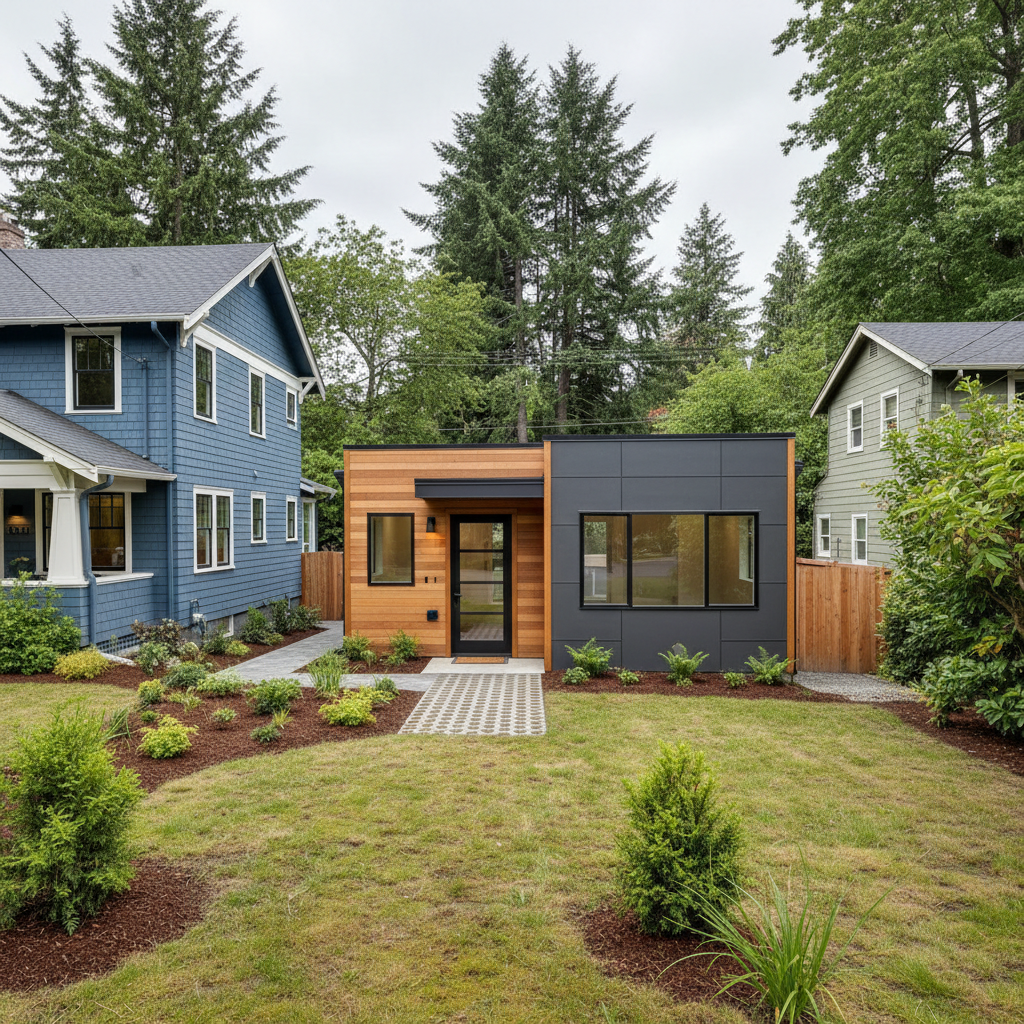
Got an old garage sitting there, maybe collecting dust or just serving as an oversized storage unit? In Seattle, that's not just a garage; it's prime real estate. I've seen countless homeowners look at their detached garage and wonder, "What else could this be?" And usually, the answer is a whole lot more.
Converting a garage isn't just about slapping some drywall up. It's about transforming an underutilized space into something functional and valuable, whether that's an Accessory Dwelling Unit (ADU) for rental income, a dedicated home office, an art studio, or even just a better mudroom. Here in Seattle, with our housing market and the push for more density, making the most of every square foot is just smart.
Why Garage Conversions Make Sense in Seattle
You know how it is around here. Space is at a premium. Land's expensive. Building new from scratch can be a huge undertaking, both in terms of cost and permitting. That's where a garage conversion often shines. You've already got the foundation, the walls, and a roof – even if they need some serious love. It's a head start.
- Adding Value: An ADU, for instance, can significantly boost your property value and provide a steady rental income. With Seattle's rental market, a well-done ADU can pay for itself pretty quickly.
- More Living Space: Maybe you don't need a rental. Maybe you need a quiet office away from the main house, a dedicated gym, or a guest suite for when family visits. A garage conversion gives you that flexibility without having to move or add a whole new addition.
- Sustainability: You're reusing an existing structure. That's inherently more sustainable than tearing down and rebuilding or building new construction. We're all trying to do our part, and this is a practical way to do it.
- Navigating Zoning: Seattle's zoning changes have made it easier to build ADUs, including converting garages. But "easier" doesn't mean "simple." You still need to understand the rules, setbacks, and utility requirements.
Common Projects I See Around Town
I've worked on garage conversions all over Seattle, from the older homes in Ballard and West Seattle to the more suburban feel of Wedgwood or Lake City. Each neighborhood has its own quirks, but some projects pop up more often than others:
- Detached ADUs: This is probably the most popular. People want a separate living space, often for family or as a rental. It involves adding a kitchen, bathroom, and living/sleeping area. Sometimes we're even adding a second story if the existing structure and zoning allow.
- Home Offices/Studios: With more folks working from home, a dedicated, quiet space away from the main house is a game-changer. No more taking calls from the kitchen table!
- Recreational Spaces: Think home gyms, music studios, or even a dedicated workshop for hobbies. It keeps the noise and clutter out of your main living areas.
- Expanded Living Space: Sometimes it's about connecting the garage to the main house, especially if it's an attached garage, to create a larger family room, mudroom, or an accessible ground-floor bedroom.
Why Local Expertise Isn't Just a Buzzword
Look, anyone can swing a hammer. But when it comes to a garage conversion in Seattle, you need someone who knows the lay of the land, literally and figuratively. Here's why:
- Permitting & Zoning: Seattle's Department of Construction & Inspections (SDCI) has specific rules for ADUs, setbacks, height limits, and impervious surface coverage. These aren't generic rules; they're Seattle rules. You've got to know them inside and out, or you'll hit delays and headaches. We've dealt with these folks countless times; we know the process.
- Soil Conditions & Foundations: We're not building on flat, sandy ground everywhere. Especially in areas like West Seattle or along the hills, you might deal with older foundations, drainage issues, or even slopes that need careful consideration. You don't want surprises after you've started digging.
- Weatherproofing: We live in the Pacific Northwest. Rain is a constant. Proper flashing, drainage, and insulation are critical. You don't want a beautiful new space that's damp and moldy in six months. I'm talking about specific details like how we manage water runoff in a typically tight urban lot, especially with our long, wet winters.
- Existing Structures: Many Seattle garages are older. They might have old electrical, questionable framing, or foundations that aren't up to modern code. You need someone who can assess the existing structure, identify potential problems, and integrate new construction safely and efficiently. It's not always a simple re-skin; sometimes it's a full structural upgrade.
- Utility Connections: Adding a bathroom or kitchen means new plumbing, electrical, and possibly gas lines. Connecting these to your existing utilities, or even bringing in new service, requires careful planning and coordination with Seattle City Light or Seattle Public Utilities.
At Seattle ADU Solutions, we've been through this process hundreds of times. We've seen the good, the bad, and the ugly of Seattle garage conversions. We know what works, what doesn't, and how to navigate the specific challenges our city throws at us.
So, if you're looking at that garage and dreaming of more, don't just dream. Get a local expert on board who understands Seattle's unique landscape, its rules, and its opportunities. It's an investment, and you want to make sure it's done right.